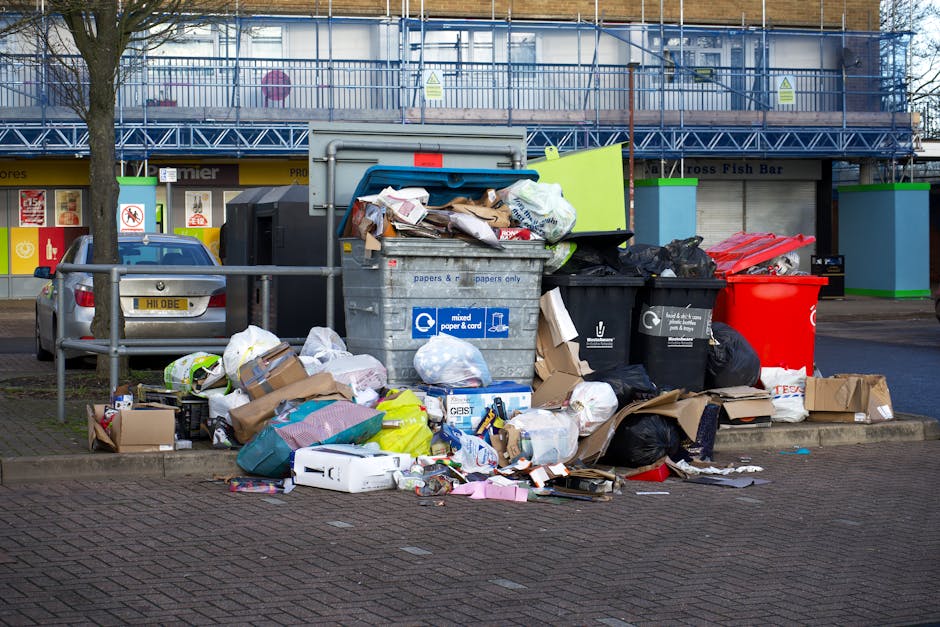
Baldock market bulky rubbish pickup tips: a practical guide for quicker, safer bulky waste clearance
If you have a sofa, mattress, broken cabinet, garden trimmings, or a stubborn pile of household clutter that needs shifting near Baldock market, the whole job can feel oddly bigger than the rubbish itself. That is exactly where Baldock market bulky rubbish pickup tips come in. The aim here is simple: help you clear bulky items without last-minute stress, without damaging property, and without making a simple pickup turn into a messy all-day project.
Whether you are planning ahead, comparing your options, or just trying to get rid of one awkward item that will not fit in the car, a little structure goes a long way. A good plan saves time, avoids avoidable lifting injuries, and helps you decide whether a small DIY run, a council-style collection, or a professional house clearance approach is the better fit. Truth be told, bulky waste is one of those things people put off until the hallway is half blocked and everyone is stepping around it. Better to sort it properly now.
In this guide, you will find practical steps, useful checks, common mistakes, and a clear comparison of approaches, plus a few real-world tips that make the process smoother around Baldock market and the surrounding area.
Table of Contents
- Why Baldock market bulky rubbish pickup tips Matters
- How Baldock market bulky rubbish pickup tips Works
- Key Benefits and Practical Advantages
- Who This Is For and When It Makes Sense
- Step-by-Step Guidance
- Expert Tips for Better Results
- Common Mistakes to Avoid
- Tools, Resources and Recommendations
- Law, Compliance, Standards, or Best Practice
- Options, Methods, or Comparison Table
- Case Study or Real-World Example
- Practical Checklist
- Conclusion
- Frequently Asked Questions
Why Baldock market bulky rubbish pickup tips Matters
Bulky rubbish is different from everyday waste. A single broken wardrobe can take up more space than a week's general rubbish, and the wrong handling can lead to scratched floors, strained backs, or items being left out in a way that looks untidy and attracts extra hassle. Around a busy local spot like Baldock market, timing and planning matter too. Deliveries, foot traffic, narrow access points, and parked cars can all make a pickup more awkward than expected.
Good pickup tips matter because they reduce friction at every stage. You want the load ready, the route clear, the right vehicle or collection method chosen, and the disposal path decided before anything is dragged outside. That sounds obvious, but it is surprising how often people skip one of those steps and end up rehandling everything twice. And nobody wants that.
There is also a value angle. Well-prepared bulky rubbish pickup usually means fewer wasted trips, fewer surprises on the day, and a better chance of separating reusable, recyclable, and non-recyclable items cleanly. If you are dealing with a house move, tenancy change, renovation, or a post-garden-clearout pile-up, being organised can save both money and energy.
Expert summary: The best bulky waste collection is rarely the one that looks fastest at first glance. It is the one you have prepared properly, with access, safety, and disposal sorted before the item leaves the room.
How Baldock market bulky rubbish pickup tips Works
At a practical level, bulky rubbish pickup is about matching the size and type of waste to the most suitable removal method. That can mean a council or local collection service, a private clearance team, or a self-managed trip to an approved disposal route. The right answer depends on volume, item weight, access, urgency, and whether the items can be broken down safely.
The process usually follows a simple pattern. First, identify what needs removing. Then separate out anything that could be reused, donated, repaired, or recycled. Next, check access from the property to the vehicle or collection point. After that, arrange timing and handling, and finally make sure the waste is transferred responsibly. Simple on paper. Slightly less simple when a sofa is wedged through a tight doorway and there is a hanging light you forgot about.
For many households, the real value of pickup tips is not just the removal itself but the preparation. If the item is measured, photographed, and placed close to the exit safely, the job gets easier straight away. If the path is blocked by shoes, storage boxes, or last year's "I'll deal with it later" pile, the whole thing becomes slower and riskier.
What usually gets collected as bulky waste?
Typical bulky items include mattresses, wardrobes, sofas, armchairs, tables, beds, drawers, white goods, carpets, and some garden items. The exact acceptance rules vary by provider, so it is always worth checking what is included before you assume something can be taken. Fridges, freezers, and electrical items often need special handling. Paint, gas bottles, and certain hazardous materials need extra care and should not be treated like ordinary rubbish.
Why preparation changes the outcome
Bulky waste is awkward because it is awkward. A low table may be light but bulky; a washing machine may be compact but heavy; a mattress may be soft but difficult to carry alone. The best preparation reduces all three problems at once: size, weight, and awkward shape. Even ten minutes of prep can make the pickup noticeably smoother. You will notice the difference immediately when the crew, or you, can move freely without stopping to shift things out of the way.
Key Benefits and Practical Advantages
There are several reasons to spend a bit of time on proper pickup planning rather than just dragging everything to the kerb and hoping for the best. The biggest benefit is control. When you know what is going, where it is going, and how it will be moved, you avoid that last-minute scramble.
- Safer handling: fewer rushed lifts and fewer chances of trips, pinched fingers, or damaged walls.
- Better organisation: you can sort recyclables, reusable items, and true waste before collection.
- Less disruption: the property stays more liveable while the clearance is being arranged.
- Clearer costs: once the load is planned properly, price discussions are usually more straightforward.
- Cleaner finish: a tidy pickup leaves less dust, broken packaging, or odd leftovers behind.
There is also a psychological win, if that is not too grand a phrase. A cluttered room has a way of wearing people down. Getting bulky items out of the way often makes the whole property feel lighter, brighter, and more manageable. A small thing? Maybe. But a very real one.
For landlords, estate agents, family members helping someone downsize, or homeowners preparing for decorating work, the practical advantage is obvious: less delay between deciding and doing. That matters when time is tight and access windows are narrow.
Who This Is For and When It Makes Sense
These tips are useful for anyone dealing with one or more large items, but they are especially helpful if you are in one of these situations:
- you are clearing a room after a move or tenancy end
- you have inherited furniture or mixed household contents
- you are replacing old furniture before new delivery arrives
- you are tidying a garage, loft, shed, or garden store
- you need fast access cleared for decorators, electricians, or repair work
- you have a single heavy item that is awkward to move safely
It also makes sense if you have limited help available. Maybe you live alone. Maybe your neighbours are friendly but not exactly available at 8am with lifting gloves. Maybe the staircase is narrow, or the item is too big for your vehicle. In situations like that, the choice between DIY and professional pickup becomes much clearer.
If the waste includes mixed materials, or if you are not sure what can be taken together, a more structured clearance approach is often the calmer option. That is especially true where there are electrical items, heavy furniture, or a large amount of broken-down material that would otherwise need several trips.
For additional guidance on service standards and what a responsible provider should explain clearly, it can help to review the company's about us information and health and safety policy before you book anything.
Step-by-Step Guidance
If you want the smoothest possible bulky rubbish pickup, work through the process in order. Skipping steps is what causes the little chaos no one asked for.
- List every item. Write down exactly what needs to go. Include dimensions if the item is large or awkward.
- Sort by type. Separate furniture, electrical items, metals, textiles, wood, and anything that may need special disposal.
- Check the condition. Decide what can be reused or donated and what is genuinely waste.
- Clear access routes. Move shoes, mats, boxes, and anything else from hallways, doors, and stair landings.
- Measure problem points. Doorways, stair turns, lifts, tight garden gates, and low ceilings matter more than people expect.
- Protect surfaces. Use blankets, cardboard, or dust sheets where there is a risk of scratches or scuffs.
- Choose the right pickup method. Match the amount and type of rubbish to the collection approach.
- Confirm timing and responsibility. Make sure someone is available to answer access questions on the day.
- Prepare payment and documents. Keep everything simple and clear before the team arrives.
- Do a final sweep. Check under beds, behind cupboards, and in sheds so nothing useful or important gets accidentally taken.
A tiny but useful trick: put a note or tape marker on items that must stay. It sounds almost too basic, but it stops confusion when there is a mix of clutter, storage, and disposal piles in the same room. One bright label can save a headache later.
How to decide what can be dismantled
If a wardrobe, bed frame, or table can be safely broken down into smaller parts, do it before pickup day. Just keep the screws and fittings in a labelled bag. That makes carrying easier and often reduces vehicle space wasted by awkward shapes. Do not dismantle anything unstable or fixed in a way that creates risk, though. A wobbly item with hidden fixings can be more dangerous in pieces than whole.
Expert Tips for Better Results
Once you have the basics in place, a few practical habits make the job noticeably easier. These are the kind of details people only learn after doing this a few times, or after one especially annoying clearance day.
- Group similar materials together. It speeds loading and helps with recycling decisions.
- Place heavier items nearest the exit. Save unnecessary carrying for the smallest loads.
- Keep a clear path from the start. Do not leave bags, cables, or loose fittings where feet can catch them.
- Remove cushions, shelves, and drawers first. It makes large furniture lighter and easier to manage.
- Use two people for large items. Even if the item seems manageable, a second pair of hands often prevents awkward slips.
- Book with a little breathing room. A rushed schedule rarely helps with bulky waste.
- Ask about recycling and disposal handling. A responsible provider should be able to explain where different materials go.
To be fair, people often underestimate how long it takes to sort mixed household clutter. A sofa may be quick, but the accessories around it, the broken side table, the lamp, and the random box of cables somehow multiply. That is normal. Not ideal, but normal.
If you are comparing providers, look beyond the headline price. Review the company's pricing and quotes information and check how they describe collection scope, access needs, and payment expectations. A clear quote is usually worth more than a vague bargain.
And if you are trying to reduce waste rather than just remove it, have a quick look at the company's recycling and sustainability approach. It is a sensible marker of how they think about the load after it leaves your property.
Common Mistakes to Avoid
Most bulky rubbish problems are preventable. The same few mistakes come up again and again, and luckily they are easy to avoid once you know what they are.
- Leaving sorting until the last minute. Mixed loads take longer and are harder to assess.
- Forgetting access issues. Narrow stairs, low ceilings, locked gates, and parked cars can all disrupt pickup.
- Assuming every item is acceptable. Some materials need separate handling.
- Not measuring large items. If it will not fit through the door, the day is going to get awkward very quickly.
- Underestimating weight. Heavy furniture and appliances are not the same as general rubbish bags.
- Skipping surface protection. One dragged wardrobe can leave a mark you will notice for months.
- Choosing the wrong disposal route. The cheapest option on paper is not always the right option in practice.
Another classic one: keeping "might be useful" items in the same area as actual waste. Then, on pickup morning, nobody is quite sure what is staying and what is going. If you can, separate keepers into a different room entirely. Boring, yes. Effective, also yes.
If you are booking a provider, it is also sensible to understand the paperwork and service terms. The company's terms and conditions can help clarify responsibilities, while insurance and safety details give added reassurance if the load is especially bulky or access is tricky.
Tools, Resources and Recommendations
You do not need a van full of specialist gear to organise a decent pickup, but a few simple tools help enormously.
| Tool or resource | Why it helps | Best use |
|---|---|---|
| Measuring tape | Checks doorways, stair turns, and item sizes | Before booking or dismantling |
| Dust sheets / blankets | Protects floors and walls from scuffs | During removal from rooms |
| Strong gloves | Improves grip and protects hands | When handling rough edges or broken items |
| Marker labels or tape | Separates keep items from waste | Before pickup day |
| Heavy-duty bags or boxes | Keeps loose parts, screws, and small waste together | When dismantling furniture |
| Mobile phone camera | Useful for recording item condition and access points | Before quoting or on the day |
For many people, the most helpful resource is not a tool at all but a reliable quote process. If you want to understand how pricing is handled and what information to provide for an accurate estimate, the contact us page is a sensible starting point, alongside the dedicated pricing and quotes information.
If you have accessibility needs, mobility concerns, or a property layout that makes lifting difficult, check the company's accessibility statement. It can help set expectations in a practical, human way.
Law, Compliance, Standards, or Best Practice
Bulky waste removal is not just a matter of getting rid of things. In the UK, waste should be handled responsibly, with attention to duty of care, safe handling, and proper disposal routes. You do not need to become a legal expert to book a pickup, but you should expect clear, sensible practice from anyone collecting waste on your behalf.
Good practice usually includes the following:
- items are identified honestly before collection
- hazardous or specialist waste is flagged separately
- loading is carried out safely
- materials are taken to appropriate facilities
- the customer understands what will happen to the waste
For private householders, the main takeaway is straightforward: do not leave disposal to guesswork. If a provider cannot explain what they take, how they handle it, and what happens if access is more difficult than expected, that is a warning sign. Not necessarily a disaster, but enough to pause and ask a few questions.
It is also sensible to avoid mixing unknown items with general waste. Old paint tins, chemicals, gas cylinders, and certain electricals can need special attention. If something feels questionable, assume it needs checking rather than assuming it can simply be thrown on the pile. That little bit of caution is worth it.
Options, Methods, or Comparison Table
There is no single best method for every bulky rubbish pickup. The right option depends on the amount of waste, the access at the property, and how quickly you need the space cleared.
| Method | Best for | Pros | Trade-offs |
|---|---|---|---|
| DIY disposal | Small loads and people with transport | Flexible, familiar, can work for a few items | Time-consuming, lifting risk, multiple trips |
| Local collection service | Moderate loads and planned clear-outs | Convenient if accepted item types fit the rules | May have restrictions on what is taken and when |
| Private bulky pickup | Large, awkward, or urgent collections | Fast, hands-off, helpful for heavy items | Usually more expensive than doing it yourself |
| Full clearance | Multiple rooms or mixed contents | Best for larger jobs and sorting support | Requires clearer planning and more detailed quoting |
If you only have one item and good transport, DIY may be enough. If you have several items, limited help, or tricky access, a professional pickup starts to make more sense. And if you are dealing with a whole room, the calculation changes again. Fast. Quite fast, actually.
Case Study or Real-World Example
A typical local scenario goes like this: a family near Baldock market is replacing a bed, a wardrobe, and an old armchair before a new carpet is fitted. At first glance, it looks simple enough. But once they start moving things, they realise the wardrobe will not fit through the hallway without dismantling, the armchair is heavier than expected, and there are bags of old bedding tucked into the cupboard that nobody had mentioned.
What helped most was not brute force. It was preparation. They measured the doorway, cleared the landing, put screws into a labelled bag, and took photos of the items before arranging pickup. On the day, the route was ready, the load was clear, and nothing needed to be moved twice. The whole process was calmer because the awkward parts were dealt with first.
That is the real lesson here. A bulky rubbish pickup is usually less about physical effort than about reducing surprises. Once the surprises are gone, the job feels manageable. Even a slightly tired Tuesday morning can handle that.
Practical Checklist
Use this simple checklist before pickup day. It keeps things tidy and reduces the chance of a last-minute scramble.
- List every bulky item that needs removing
- Separate reusable, recyclable, and waste items
- Measure large furniture and awkward pieces
- Check door widths, stairs, and access points
- Clear hallways, landings, and entry routes
- Protect floors and corners where needed
- Remove drawers, cushions, shelves, and loose parts
- Label items that must stay
- Confirm collection time and any access instructions
- Keep payment details and questions ready in advance
- Do a final room-by-room sweep
If you can tick off most of these items, you are already ahead of the usual hassle curve. Really ahead.
Conclusion
Bulky rubbish pickup does not need to be complicated, but it does need a bit of common sense. The best Baldock market bulky rubbish pickup tips all come back to the same idea: sort early, measure properly, keep access clear, and choose the right removal method for the job. That combination saves time, lowers stress, and makes the whole process feel more under control.
For a small one-off item, a simple collection may be enough. For mixed or heavy loads, a more structured clearance approach will usually be safer and smoother. Either way, a little planning makes a big difference. You do not need perfection. Just enough preparation to stop the day becoming a muddle.
When you are ready to move from planning to action, make sure you understand your options, what is included, and how the provider handles disposal and safety. That is how you get a clean result without unnecessary fuss.
Get a free quote today and see how much you can save.
And if you are still staring at the pile thinking, "where on earth do I start?", start with one item, one bag, one doorway. That is usually enough to get the ball rolling.
Frequently Asked Questions
What counts as bulky rubbish in Baldock market household pickups?
Bulky rubbish usually means large items that will not fit into normal household bins, such as sofas, mattresses, wardrobes, tables, and similar household waste. The exact list depends on the collection method, so it is worth checking before booking.
How do I prepare furniture for a bulky rubbish pickup?
Remove loose parts like cushions, drawers, and shelves, measure the item, and clear a route from the room to the exit. If the furniture can be safely dismantled, that often makes the pickup easier and quicker.
Can I put electrical items in a bulky waste collection?
Sometimes yes, sometimes no. Electricals often need separate handling, especially items with plugs, batteries, cooling gas, or hidden components. Always confirm acceptance before the day.
Is it cheaper to do bulky rubbish pickup myself?
It can be cheaper if you only have a small amount, easy access, and transport available. But once you factor in time, fuel, lifting, and multiple trips, a professional pickup can be better value for larger or awkward jobs.
What if my bulky item will not fit through the door?
If it cannot fit safely, it may need dismantling before removal. If dismantling is not practical, you should discuss the access issue in advance so the pickup method can be planned properly.
Do I need to sort recycling before pickup?
It is strongly recommended. Sorting recyclable materials, reusable items, and general waste usually helps with smoother handling and a cleaner disposal outcome.
How far in advance should I arrange a bulky pickup?
As early as you can, especially if you have a fixed moving date, a room renovation, or a tight access window. Even a short delay can be annoying when the item is taking up a key space.
What should I ask before booking a collection?
Ask what items are accepted, whether dismantling is needed, how access affects the quote, how payment works, and what happens to the waste after collection. Clear answers at the start save awkwardness later.
Can bulky rubbish pickup be done from inside the property?
Yes, in many cases it can. That is often the best option if the item is heavy, awkward, or needs to pass through tight spaces. Just make sure access routes are clear and surfaces are protected.
What is the safest way to move a heavy item?
Use two people if possible, wear gloves, and keep the route clear before lifting. If the item is especially heavy, unstable, or awkward, do not force it. That is when professional help makes the most sense.
What should I do with items I might want to keep later?
Move them into a separate room or clearly label them before the pickup starts. Mixing keepsakes with waste is a recipe for regret, and nobody needs that kind of surprise.
Where can I learn more about service standards and next steps?
It helps to review practical pages such as about us, pricing and quotes, and contact us so you know what to expect before arranging a collection.