Avoid fines for fly tipping Baldock rubbish rules
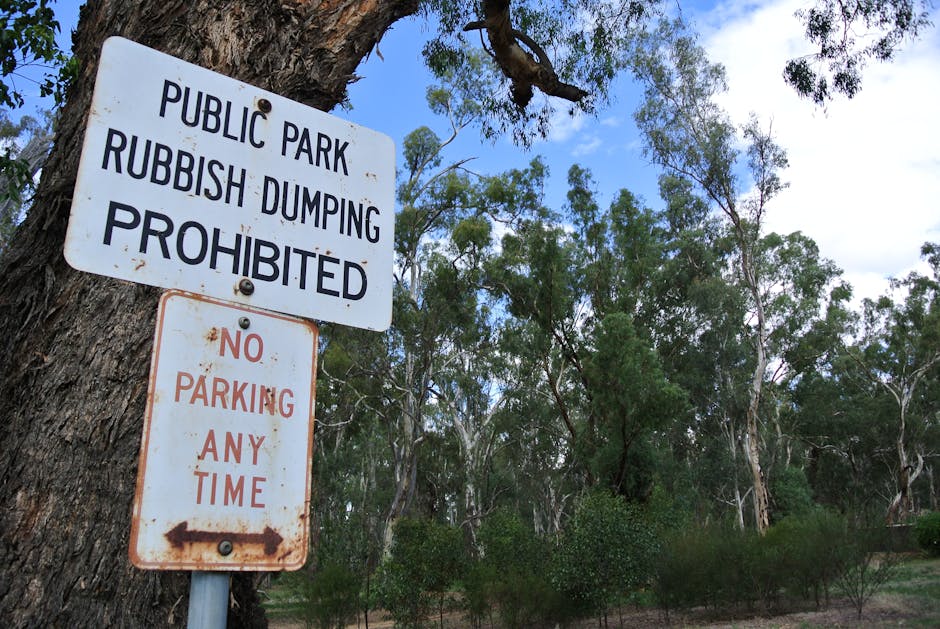
If you are trying to avoid fines for fly tipping Baldock rubbish rules, the main thing to know is this: most problems start with one small decision that felt convenient at the time. A bag left beside a hedge. A sofa put out "for later." A van load dumped because someone said they'd sort it. Then the complaint lands, the mess becomes evidence, and suddenly what looked like a quick fix is anything but. To be fair, rubbish rules can feel fiddly, especially if you are clearing a house, emptying a garage, or dealing with a job that ran longer than planned. This guide breaks it down properly so you can stay on the right side of the rules, protect yourself from avoidable costs, and handle waste in a way that is sensible, legal, and just easier overall.
You will find practical steps, common mistakes, compliance points, and a few local realities that matter in Baldock and the wider SG7 area. Nothing fluffy. Just the sort of guidance that helps when the bins are full and the pressure is on.
Why Avoid fines for fly tipping Baldock rubbish rules Matters
Fly tipping is not just an eyesore. It is a nuisance for neighbours, a cost for landowners, and a legal problem for anyone who dumps waste improperly or fails to take reasonable care over where their rubbish goes. In practical terms, the rules matter because waste does not disappear when it leaves your driveway. Someone has to collect it, store it, sort it, and pay to process it properly. If that chain is broken, the result is often dumped material on a lane, verge, alley, field edge, or quiet corner where people think nobody is looking.
In Baldock, as in many towns, the issue can flare up around busy housing streets, shared access roads, and places where people are clearing out homes quickly. A pile of bricks or an old mattress can trigger attention very fast. And once waste has been dumped, the paper trail matters. If an officer, neighbour, or landowner links the waste back to you, even indirectly, you may have a lot more explaining to do than you expected.
There is also a simple reputational side to this. If you run a business, manage properties, or arrange household clearance work, being careless with waste can damage trust. One sloppy disposal can undo a lot of otherwise good work. Let's face it, nobody wants their name attached to a bag of broken plasterboard at the roadside.
Practical takeaway: the safest way to avoid fines is to treat every load of rubbish as traceable, every disposal route as a decision, and every shortcut as a risk.
How Avoid fines for fly tipping Baldock rubbish rules Works
The phrase may sound awkward, but the principle is straightforward. To avoid fines, you need to make sure waste is handled by a legitimate route, kept under control until it is collected, and transferred to someone who is authorised and properly equipped to take it. That usually means using the council service where appropriate, booking a reputable clearance provider, or taking items to the correct facility yourself if you are able to do so legally and safely.
There are a few moving parts. First, the waste itself. Household rubbish, garden waste, furniture, builders' rubble, office clearance waste, and mixed loads can each require different handling. Second, the transfer. If someone else collects your rubbish, you still need to be satisfied that they are the right kind of operator. Third, the record. In many situations, keeping a receipt, invoice, or note of who removed the waste can help show that you acted responsibly.
That last part is easy to overlook. People hand over a load to a man with a van, get a cheap price, and assume that is the end of it. Then a dumped pile turns up two roads away. Not ideal. Not at all. The point is not that every low-cost service is unsafe; it is that price alone is not a compliance check.
There is also a local planning aspect. Some rubbish needs a permit or specific arrangement for storage or placement, especially where skips, bulky items, or narrow roads are involved. If you are sorting waste after a refurb or a house clear-out, checking the right method before you start can save a lot of grief later. For a useful local read on permit-related issues, see permits for bulky rubbish disposal in Baldock.
Key Benefits and Practical Advantages
Getting the rubbish rules right is not just about staying lawful. It also makes the whole job calmer and, frankly, cheaper in the long run. You spend less time fixing mistakes, less time chasing awkward collection issues, and less time worrying whether a load has vanished into a ditch somewhere.
- Reduced risk of fines or enforcement action: Proper disposal removes the obvious trigger points for penalties.
- Better proof of compliance: A receipt, invoice, or booking record gives you something to show if questions arise.
- Cleaner property and better neighbour relations: Nobody enjoys looking at a growing pile of waste for three days. The smell alone can be enough.
- Fewer delays: If you plan the disposal route early, the rest of the job tends to run smoother.
- More predictable costs: Good planning helps you compare options rather than panic-booking the first vehicle available.
- Less stress: That sounds soft, but it matters. Waste jobs often happen during busy life moments: moves, bereavements, refurbishments, end-of-tenancy clear-outs, or house sales.
A quieter benefit is that proper waste handling can also support recycling and reuse. Some items can be separated, donated, or diverted from landfill where suitable. A thoughtful clearance plan often reveals value that would otherwise be hidden in a pile of "just dump it." If you want a more sustainability-led angle, our eco guide to Baldock rubbish removal, recycling and donations is a good companion read.
Who This Is For and When It Makes Sense
This is for anyone who wants to manage waste without taking unnecessary risks. In real life, that usually means one of these situations:
- Homeowners clearing out lofts, garages, sheds, or whole rooms.
- Landlords and letting agents dealing with end-of-tenancy waste or abandoned items.
- Tradespeople generating builders' waste that needs prompt, proper removal.
- Small businesses replacing office furniture or clearing storage areas.
- Families handling a move, bereavement clearance, or bulky item disposal.
- Anyone with awkward access where a standard bin collection will not touch the load.
It makes sense to think about these rules as soon as the waste starts building up, not after the bags are already piled on the pavement. A lot of the risk comes from delay. Things get stacked in the wrong place. Someone says they will collect them. Rain gets in. Items spill. Passers-by start adding their own rubbish. Then the situation turns from temporary inconvenience into a real problem.
House clearances are a common example. One room becomes two, then the spare bed frame appears, then the old carpet, then the garden chairs. It happens. The trick is to decide early whether you need a full clearance, a partial pickup, or a mixed waste solution. If you are weighing up a broader property clear-out, house clearance services can be a useful starting point.
Step-by-Step Guidance
If you want the practical version, here it is. Keep it simple and do the steps in order. It saves time, and more importantly, it saves mistakes.
1. Identify the waste properly
Start by sorting what you actually have. Is it general household rubbish, garden waste, furniture, electrical items, builders' debris, office materials, or a mixed load? Different waste types may need different handling. Mixed loads are common, but mixed does not mean careless.
2. Separate reusable or recyclable items
Before paying for disposal, look at what can be reused, donated, or recycled. One chair may be broken, but the table beside it might be perfectly fine. A quick sort can reduce volume and cost. Small win, but a real one.
3. Decide on the disposal route
Choose one of three sensible paths: council collection, licensed private collection, or self-delivery to an appropriate facility if you are equipped to do that safely. The right option depends on volume, urgency, access, and the type of material involved.
4. Check what the provider will actually take
Do not assume every collection service accepts every item. Ask whether there are restrictions on mattresses, fridges, soil, plasterboard, paint, or hazardous materials. If the waste is awkward, say so up front. A brief conversation can avoid a nasty surprise when the team arrives and cannot take half the pile.
5. Get the paperwork or confirmation
Keep an invoice, booking email, receipt, or written confirmation. If the service provides any transfer record or waste documentation, keep it. A folder in your email is better than a vague memory. Two weeks later, you will be glad you kept it.
6. Make sure the waste is handed over correctly
Place the waste in the agreed spot, at the agreed time, and only to the agreed collector. Do not leave items in a public place "for someone to pick up." That is where trouble starts. If the collection is on private land, make sure access is clear and the handover is straightforward.
7. Follow up if anything looks off
If you notice rubbish left behind, spillage, or a collector behaving in a way that feels wrong, stop and query it. Better to ask awkward questions now than answer a formal complaint later.
Expert Tips for Better Results
There are a few habits that make a surprisingly big difference. These are the sort of details people often skip when they are in a hurry.
- Take photos before collection: A quick phone picture helps show what was removed and can be useful if there is any dispute later.
- Bundle similar items together: It makes loading faster and reduces the chance of forgotten bits being left behind.
- Be honest about the volume: Understating the amount of waste often leads to a second visit or extra charges.
- Ask about access constraints: Narrow drives, low branches, or parking pressure can change the collection plan. Baldock streets can be a little tighter than they look on paper.
- Keep hazardous items separate: Paint, chemicals, batteries, gas bottles, and similar materials need extra care.
- Think about timing: If you need a same-day solution, book early. Late afternoon panic bookings are where mistakes creep in.
One practical habit I always like is the "last look" before the team leaves. Stand at the front step or by the garage door and just scan the area. Is the swept-up dust gone? Is there a broken plank still propped against the wall? Did the small bag behind the bin get missed? It takes thirty seconds. Worth it. Every time.
If your waste includes bulky furniture, you may find it easier to plan removals item by item rather than as one enormous mystery pile. Our page on furniture disposal can help if sofas, wardrobes, or heavy tables are part of the job.
Common Mistakes to Avoid
Most fines and fly-tipping problems are not caused by dramatic criminal masterminds. They come from ordinary mistakes. Honest ones, sometimes. Still mistakes.
- Leaving waste beside a bin or wall: Even if you intend to move it later, it can be treated as abandoned.
- Using an unverified collector: A cheap collection without any proof of legitimacy can backfire badly.
- Mixing harmless and tricky waste: One difficult item can complicate the whole load.
- Assuming a neighbour will deal with it: Passing the problem along is not a plan.
- Ignoring access issues: If a van cannot get in, people may shift waste in a way that causes damage or unsafe handling.
- Forgetting to record what was removed: No record, no reassurance.
- Dumping items during "quick tidy-ups": These are the moments when people are most tempted to cut corners.
A subtle one is overconfidence. You may think, "It is only a couple of bags." But the law and local enforcement do not always read it that way. Waste is waste. Small volume does not automatically mean small consequence.
Tools, Resources and Recommendations
You do not need a complicated system to manage rubbish properly. A few simple tools are enough.
- Camera phone: Use it to photograph the waste before and after collection.
- Notes app or folder: Save booking confirmations, names, dates, and any special instructions.
- Basic labels or tape: Mark items that must not be taken, or items that should go to recycling.
- Gloves and sturdy bags: Sensible for sorting, especially when dealing with dusty loft items or garden waste.
- Measuring tape: Helpful if you are comparing services and trying to estimate volume properly.
For local planning and budgeting, it also helps to compare service types before you commit. Some jobs suit a full house clear-out, others need a more targeted pickup, and some are best handled as part of a business or trade waste schedule. If you want a clearer view of service categories, these pages are useful: waste removal, business waste removal, and builders' waste clearance.
For cost awareness, it is also sensible to check how pricing is presented, what is included, and whether extras might apply for stairs, sorting, or awkward access. Hidden costs are a classic source of frustration, and they often show up just when you think the job is done. A helpful related article is how to avoid hidden charges with Baldock rubbish removal.
Law, Compliance, Standards, or Best Practice
When people talk about fly tipping, they often mean waste dumped without permission in the wrong place. In the UK, the important principle is that anyone handling waste should take reasonable care. That means checking who is collecting it, where it is going, and whether the disposal route is legitimate. If you hand waste to someone and cannot show that you took reasonable steps, you may still face questions. That is the uncomfortable bit, but it is the reality.
Best practice usually includes:
- using a proper and traceable collection route;
- keeping records of removal or disposal;
- not leaving waste in public places;
- separating hazardous or specialist items;
- avoiding unlicensed or unverified operators;
- storing waste safely until collection.
For businesses, the expectations are even firmer. Commercial waste should not be treated like a casual household tidy-up. Good record-keeping, correct segregation, and appropriate collection arrangements are part of responsible operation. If your business regularly produces waste, a planned service is usually safer than ad hoc removals.
There is also a safety angle. Heavy lifting, sharp edges, broken glass, damp cardboard, and mouldy contents can all cause problems. So compliance is not just about fines. It is about preventing injury and avoiding mess that spreads beyond your property line. If you are dealing with cluttered or sensitive rooms, a more careful approach can help, and our page on home clearance may be relevant. For broader standards around health and safe handling, you can also review the company's health and safety policy and insurance and safety information.
Options, Methods, or Comparison Table
Different waste situations call for different approaches. Here is a simple comparison to help you choose sensibly rather than guessing under pressure.
| Method | Best for | Main advantage | Watch out for |
|---|---|---|---|
| Local collection or council route | Standard household waste or approved bulky items | Clear process and straightforward disposal | Timing, item restrictions, and booking rules |
| Private clearance service | Mixed loads, urgent jobs, awkward access, larger clear-outs | Fast, flexible, and often more convenient | Check what is included and keep proof of collection |
| Self-delivery | Small manageable loads and people with transport | Direct control over disposal | Requires the right vehicle, time, and correct site access |
| Skip or container hire | Projects with ongoing waste generation | Good for staged work and refurbishment | May need permits and space, especially on tighter roads |
For some households, a fast collection is the cleanest solution. For others, especially if the house is being stripped room by room, a staged plan is better. And for tradespeople, the right answer may be a mix: removal for bulky waste, then separate handling for scrap and project debris. There is no one-size-fits-all answer, which is annoying but true.
Case Study or Real-World Example
Here is a typical local scenario. A homeowner in Baldock starts clearing a garage on a Saturday morning. At first it is just a few broken chairs, a rusty shelf, and old paint tins. By lunchtime there is also a broken lawnmower, a stack of damp boxes, a bed frame, and bits of plasterboard from a long-finished repair. The pile is now bigger than the car boot, and the thought of several trips to sort it is enough to flatten the mood a bit.
Instead of leaving the pile outside the garage door for days, the homeowner sorts the items into categories, removes a few reusable pieces, separates the paint tins, and books a proper collection. They take photos before and after, keep the booking confirmation, and make sure everything is handed over to the right team. The waste is gone the same day, the driveway is clear by evening, and nobody has to worry about a complaint from next door or an awkward letter later on.
Could they have taken the items away themselves? Maybe. But the real question is whether that would have been the smartest use of time, energy, and risk. In many cases, the answer is no. A straightforward collection is often worth it simply for the peace of mind.
Practical Checklist
Use this checklist before you arrange removal or leave waste ready for pickup:
- Have I identified the exact type of waste?
- Have I separated anything reusable or recyclable?
- Do I know who is collecting it or where it is going?
- Have I checked whether any items need special handling?
- Have I taken photos of the waste?
- Have I saved the booking confirmation or receipt?
- Is the waste stored safely and not blocking public access?
- Have I checked access, parking, or loading restrictions?
- Do I know whether permits or extra arrangements are needed?
- Have I asked about any likely extras before confirming the job?
- Is there anything hazardous that should be kept separate?
- Have I arranged the collection time so the waste is not left out longer than necessary?
If you can tick most of those off, you are in a much better place. Not perfect, perhaps, but solid enough to avoid the usual traps.
Conclusion
The easiest way to avoid fines for fly tipping Baldock rubbish rules is not to treat waste like an afterthought. Plan it. Sort it. Hand it over properly. Keep proof. That is the core of it. Once you do that, the whole process becomes less stressful and a lot more predictable. You do not need to overcomplicate matters, and you certainly do not need to gamble on a cheap shortcut that leaves you with more problems than you started with.
Whether you are clearing a loft, tidying a garden, managing a renovation, or dealing with a full property empty, the same principle applies: legal disposal is usually the calmer route. And in Baldock, where access, timing, and storage space can all matter, a little planning goes a very long way. If you want to avoid the sort of headache that starts with "it'll be fine, I'll sort it later," then now is the time to act.
Get a free quote today and see how much you can save.
And if you are still deciding how to handle a specific job, that is okay too. Take it one step at a time, keep it tidy, and trust the process. The good news is, once the rubbish is gone, the space usually feels lighter almost immediately. That bit never gets old.
Frequently Asked Questions
What counts as fly tipping in Baldock?
Fly tipping generally means leaving waste in a place where it is not allowed, such as roadside verges, open land, alleyways, or private land without permission. Even a small pile can count if it has been dumped rather than properly disposed of.
Can I be fined if someone else dumps my rubbish?
Potentially, yes, if you did not take reasonable care over who handled your waste. That is why records, receipts, and choosing a legitimate collector matter so much.
Do I need proof that my rubbish was collected?
It is strongly sensible to keep proof. A receipt, invoice, booking email, or collection note can help show that you acted responsibly if questions arise later.
Is it okay to leave rubbish outside for a few hours?
Only if it is part of an agreed collection arrangement and it is placed where it should be. Leaving rubbish out "just for now" in a public or shared area can still create problems.
What should I do with bulky items like sofas or wardrobes?
Arrange a proper bulky waste route, private collection, or lawful disposal option. Do not abandon items on pavements or at the edge of a property. If you need a starting point, furniture-specific disposal can make the job easier.
Are garden waste and household waste treated the same?
Not always. Garden waste can often be handled differently from general household rubbish, especially if there are soil, branches, or mixed materials involved. Separate it where you can.
What if I have builders' rubble or renovation waste?
Builders' waste often needs a more suitable removal method because it can include heavy, dusty, or awkward materials. It is worth checking the collection approach before the work gets under way.
How can I tell if a waste collector is legitimate?
Ask clear questions, request written confirmation, and avoid anyone who seems vague about where the waste will go. If the price is suspiciously low and there is no paperwork, that is a warning sign.
Is same-day rubbish removal worth it?
Often, yes, if you need a fast solution and want to avoid waste sitting around. It can be especially useful before a move, after a delivery, or when access is only available for a short window.
What records should businesses keep for waste removal?
Businesses should keep invoices, collection confirmations, and any relevant transfer or disposal records. Good record-keeping is part of good compliance, and it also helps if a customer or landlord asks for evidence later.
What if I am not sure whether an item can be collected?
Ask before the collection day. It is much easier to clarify in advance than to have the team arrive and leave an item behind. If in doubt, describe the item honestly rather than guessing.
How do I avoid hidden costs on a rubbish removal job?
Describe the load accurately, ask what is included, confirm whether stairs, access issues, or sorting will affect the price, and get the terms clear before booking. That simple step avoids a lot of friction.
What is the safest first step if I have a mixed pile of waste?
Sort it into obvious groups, remove anything hazardous, and decide whether you need household, furniture, garden, or builders' waste handling. Then choose the disposal route that best fits the load.